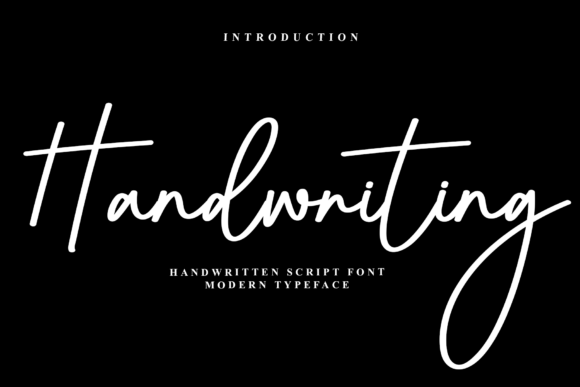
Handwriting: A Modern Script for Elegant Branding
There’s a certain magic that happens when a brand feels personal. It’s not just about the product or service; it’s about the feeling of connection, of being understood. In a world saturated with generic, mass-produced content, finding a design element that conveys genuine artistry and sophistication is a game-changer. This is where a typeface like Handwriting steps in, offering more than just letters on a page—it delivers a mood, an experience, and a direct line to a more refined aesthetic.
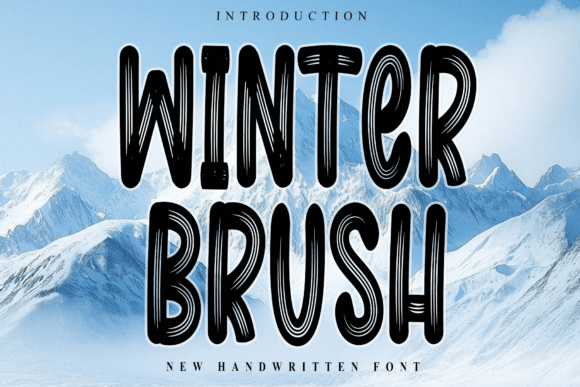
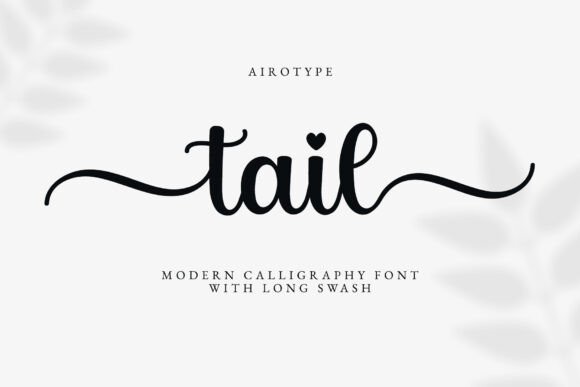
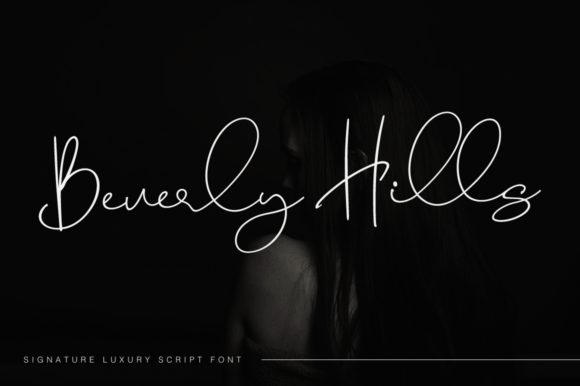
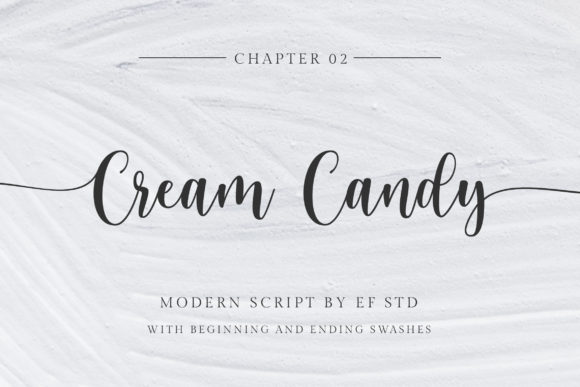
At its core, Handwriting is a modern calligraphic script font, but that simple description barely scratches the surface. It’s a premium design asset crafted with the precision of a skilled calligrapher. What immediately sets it apart is its dramatic visual rhythm. Imagine the confident, weighted pressure of a downstroke paired with the impossibly fine, airy lift of a hairline. This striking contrast isn’t just decorative; it creates a natural flow and energy that guides the eye. The experience is enhanced by beautifully integrated ligatures and swashes—those graceful, connecting strokes that aren’t afterthoughts but integral parts of the letterforms. They merge and flow, turning simple words into cohesive, elegant compositions.
The personality of the Handwriting font is one of quiet confidence and luxurious refinement. It doesn’t shout for attention; it commands it through its sheer elegance. It feels personal, as if each letter was lovingly penned by hand, yet it maintains a consistency and polish that speaks to professional craftsmanship. This is the font you choose when you want to convey authenticity without sacrificing an ounce of sophistication. It’s the typographic equivalent of a beautifully tailored suit or a handwritten note on high-quality stationery.
Where This Script Font Truly Shines
Understanding a font’s character is one thing, but knowing where to deploy it is where the real strategy comes in. Handwriting isn’t a workhorse body font for long paragraphs; it’s a specialized tool for creating impact and setting a specific tone. Its strengths lie in applications where a personal, high-end touch is paramount.
In the realm of brand identity, this typeface is a powerhouse. It’s an exceptional choice for logo design for businesses that want to project elegance and artisanal quality. Think boutique hotels, luxury skincare brands, high-end wedding planners, exclusive florists, or gourmet food products. The font becomes a core part of the brand’s visual language, instantly communicating a promise of quality and personalized service.
Beyond the logo, its utility extends across a multitude of design assets. For packaging design, it can elevate a product’s shelf appeal, making it feel more premium and gift-worthy. In editorial design, it works beautifully for magazine headlines, pull quotes, or chapter titles in a book, adding a layer of artistic flair. For web design, it can be used strategically for hero section headlines, call-to-action buttons, or stylistic elements to break the monotony of standard web fonts. Social media graphics also benefit immensely—using Handwriting for quotes, announcements, or story overlays can make a feed look cohesive and professionally curated.
Even for personal projects, the font’s appeal is undeniable. It’s perfect for crafting elegant invitations, creating custom artwork, designing personalized stationery, or adding a special touch to scrapbooking. For small business owners and content creators, it’s a versatile creative font that can help differentiate marketing materials, from email headers to PDF guides, making every touchpoint feel more considered and valuable.
Practical Guidance for Using a Premium Font
Choosing a premium font like Handwriting is an investment in your project’s visual quality. To ensure that investment pays off, a thoughtful approach is necessary. First, consider the project’s context. Is the goal to convey romance and tradition, or modern elegance with a personal twist? Handwriting leans toward the latter. Its modern letterforms and high-contrast style make it feel current, not dated.
Next, think about font pairing. A script font of this nature should rarely, if ever, stand alone for all text. Its power is in its display role. The key is to pair it with a typeface that provides stability and readability. A clean, geometric sans serif font often creates a beautiful contemporary contrast, letting the script’s elegance pop. Alternatively, a classic, understated serif font can create a more traditional, luxurious feel. The goal is a visual hierarchy where Handwriting draws the eye for key messages, while the supporting font handles the bulk of the information clearly.
Always test the font in context before committing. Set your actual headline or logo text. Check how the ligatures and swashes interact with your specific words. Does the flow feel natural? Is the word still legible at a glance? Pay special attention to readability at smaller sizes; while stunning for headlines, its intricate details may not translate well to body copy or very small applications. A good practice is to view your design at a distance or on a mobile screen to simulate real-world viewing conditions.
Finally, clarify the licensing. A commercial font comes with specific terms of use. Ensure the license covers your intended applications—whether it’s for a single client project, unlimited commercial work, or specific digital and print mediums. Reputable font foundries provide clear licensing information, so you can use your design assets with complete confidence.
Creating Lasting Impressions with Typography
The choice of a typeface is a foundational decision in any design project. It’s not merely about picking something that looks nice; it’s about selecting a tool that communicates the right message and evokes the desired emotion. Handwriting, as a handwritten font, offers a powerful way to bridge the gap between the impersonal nature of digital communication and the warmth of human touch.
When used thoughtfully, it does more than just decorate. It influences how your audience perceives your brand. It can make a small business feel more established and trustworthy, or a digital product feel more tangible and valuable. It contributes to visual hierarchy, ensuring your most important messages are seen first. It aids in brand recognition, as a unique and consistent typographic style becomes a memorable part of your identity.
In the end, the best use of a font like Handwriting is when it feels invisible in its technicality and powerful in its effect. It should feel like a natural extension of your brand’s voice—elegant, authentic, and unmistakably professional. By understanding its strengths and applying it with intention, you can transform ordinary projects into extraordinary experiences that resonate deeply with your audience.