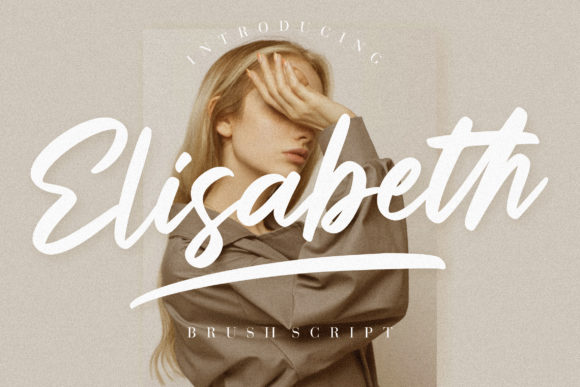
Elisabeth: A Modern Script Font for Timeless Design
The Perfect Balance Between Classic and Contemporary
There's a particular challenge in finding a script font that feels both elegant and usable. Too many decorative typefaces sacrifice readability for flair, while others lean so far into minimalism they lose their personality. Elisabeth occupies that rare middle ground—a premium font that draws from the rich tradition of calligraphic letterforms while speaking a distinctly modern visual language.
What makes Elisabeth stand out immediately is its weight. It's neither too thin nor too thick, which solves one of the most common frustrations designers face when working with script typefaces. Fonts that are too delicate disappear at smaller sizes or on busy backgrounds. Fonts that are too heavy can overwhelm a layout and compete with other design elements. Elisabeth's balanced stroke width gives it presence without aggression, making it remarkably versatile across different applications and media.
The brushed quality of each letterform adds warmth and texture that you simply cannot achieve with geometric or monoline scripts. There's a human quality woven into every curve and connection—the kind of subtle imperfection that makes digital design feel approachable rather than sterile. Yet the overall execution is refined enough to maintain professionalism in commercial contexts.
Branding and Logo Design
When building a brand identity, the typeface you choose for your wordmark or supporting text carries enormous weight. Elisabeth works beautifully for businesses that want to project warmth, creativity, and approachability without appearing amateurish. Think boutique bakeries, wedding planners, artisan product lines, lifestyle coaches, or independent beauty brands. The font communicates care and craftsmanship—qualities that resonate deeply with audiences seeking authentic connections with the brands they support.
Pair Elisabeth with a clean sans serif font for body copy, and you've got a font pairing that feels both sophisticated and accessible. The contrast between the flowing script and structured sans serif creates natural visual hierarchy, guiding the viewer's eye exactly where you want it to go.
Editorial and Publishing Design
For editorial design, Elisabeth brings a refined touch to chapter headings, pull quotes, and featured article titles. Magazine layouts, blog headers, and book cover treatments benefit from the font's ability to convey emotion and draw readers in. It's the kind of display font that makes someone stop scrolling or pause mid-page—and that's precisely what good editorial typography should accomplish.
Bloggers and content creators will find Elisabeth particularly useful for creating cohesive visual branding across their platforms. Using the same typeface for Pinterest graphics, Instagram stories, email headers, and website banners builds recognition. Your audience starts associating that distinctive lettering with your voice and content before they even read a single word.
Packaging and Product Design
In packaging design, every element on the shelf competes for attention. Elisabeth's balanced proportions and contemporary styling help products stand out while maintaining readability at various scales. It works especially well for labels, tags, box typography, and product descriptions where you need text to feel personal and intentional. The font's natural rhythm creates a sense of flow that can subtly guide a customer's attention across packaging surfaces.
Digital and Web Applications
For web design, Elisabeth serves as an excellent accent typeface. Use it for hero section headlines, call-to-action buttons, testimonial attributions, or navigation elements on creative portfolio sites. Because it's PUA encoded, every glyph and swash is easily accessible, giving you full creative control without wrestling with complex software workarounds. This encoding standard matters more than many people realize—it means the font actually works the way you need it to across different design applications.
How Elisabeth Influences Audience Perception
Typography shapes perception in ways most people never consciously register. The fonts you use tell a story about who you are before your actual message lands. Elisabeth carries associations of thoughtfulness, creativity, and personal investment. When someone encounters this script font on your marketing materials or website, they absorb an impression of a brand or creator who pays attention to details—who cares about craft.
This matters enormously for small business owners and entrepreneurs building their first professional presence. Choosing a well-designed commercial font like Elisabeth over default system fonts signals that you take your work seriously. It's a relatively small investment that elevates every touchpoint where your audience encounters your visual brand.
The font's varied letterforms also contribute to better readability than many script alternatives. Monotonous scripts—where every letter connects in exactly the same way—can feel mechanical and tiring to read. Elisabeth's natural variation in connections and strokes mimics authentic handwriting, which the eye processes more comfortably over extended reading.
Practical Guidance for Working with Elisabeth
Before committing Elisabeth to a project, test it in context. Set sample text at the actual sizes you'll use, view it on different screens if it's for digital work, and print test sheets if it's heading to physical production. Pay attention to how it looks alongside your existing design assets—photography styles, color palettes, and other typefaces all influence whether a font feels like a natural fit.
Consider these practical recommendations when evaluating Elisabeth for your work:
- Readability first: Reserve Elisabeth for headlines, short phrases, and accent text rather than long paragraphs of body copy. Even the most legible script fonts work best at larger sizes where their details can breathe.
- Spacing matters: Script fonts often benefit from generous letter-spacing and line-height adjustments. Don't assume default settings will look right in every layout.
- Test font pairings thoughtfully: Try Elisabeth alongside neutral serif fonts for a classic editorial feel, or with geometric sans serifs for something more contemporary. Avoid pairing it with other ornate typefaces that would compete for attention.
- Review the full glyph set: Because Elisabeth includes swashes and alternate characters, spend time exploring what's available. Those extra flourishes can transform a standard headline into something truly distinctive when used sparingly.
- Check licensing terms: Confirm that your intended use—whether personal crafting projects or commercial client work—aligns with the font's license. Most premium fonts offer clear commercial licensing, but it's always worth verifying before launching a campaign or product line.
Elisabeth represents the kind of modern typography that bridges the gap between handwritten font warmth and professional design standards. Whether you're crafting social media graphics, developing a complete brand identity, designing wedding invitations, or building a product line's visual presence, this typeface offers the flexibility and refinement to support your creative vision without imposing limitations.
The best font choices are the ones that serve your specific project goals while remaining invisible enough to let your message take center stage. Elisabeth achieves exactly that balance—present enough to elevate your work, restrained enough never to overshadow it.