Camila Ashton: The Handwritten Font Duo for Modern Branding
In the crowded landscape of digital design, finding a typeface that feels both personal and professional can be a challenge. Many designers struggle to find a balance between the warmth of a handwritten style and the legibility required for modern branding. Camila Ashton bridges that gap effectively. It is a premium font duo that combines a flowing script with a clean display font, offering a versatile solution for a wide range of creative projects. This combination allows creators to maintain a cohesive visual identity without sacrificing readability.
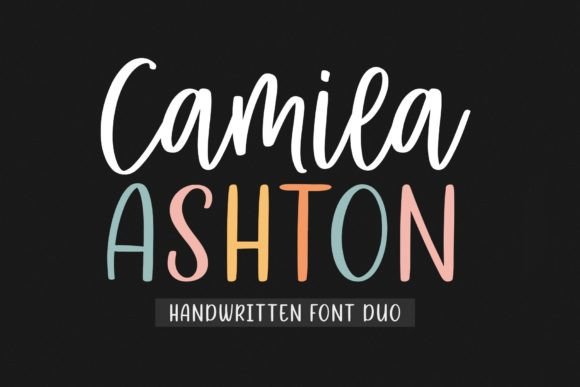
The visual character of Camila Ashton is defined by its well-balanced letterforms. The script component feels organic and fluid, mimicking the natural rhythm of a hand-drawn style. It avoids the excessive loops and swashes that often make handwritten fonts difficult to read. Instead, it offers a clean, modern aesthetic. The accompanying display font provides a solid foundation, designed to complement the script without competing for attention. Together, they create a harmonious pairing that feels intentional and polished.
Visual Characteristics and Appeal
When analyzing the Camila Ashton typeface, the first thing you notice is its approachability. The characters are crafted with a smooth, flowing motion that suggests elegance without feeling stiff or overly formal. This modern typography style works well for projects that aim to connect with audiences on a personal level. The font’s personality is friendly yet sophisticated, making it a suitable choice for industries ranging from lifestyle and beauty to education and creative services.
The appeal of this creative font lies in its versatility. It functions effectively as a display font for headlines, grabbing the viewer's attention immediately. Simultaneously, the script font adds a layer of authenticity to logos and branding materials. For designers working on brand identity projects, having both styles in one package simplifies the process of creating a consistent look across different mediums. It reduces the need to search for separate font pairing options, as the duo is already optimized to work together seamlessly.
Practical Applications Across Creative Fields
The utility of Camila Ashton extends across numerous design disciplines. For logo design, the script font can serve as the primary wordmark, while the display font handles the tagline or secondary information. This creates a clear visual hierarchy that guides the viewer's eye naturally. In packaging design, the handwritten font adds a tactile, artisanal quality to product labels, which can significantly influence consumer perception. It suggests care and craftsmanship, qualities that many small business owners and entrepreneurs want to communicate.
In the realm of digital marketing, this font duo shines in social media graphics and web design. The modern, stylish nature of the typeface makes it ideal for creating eye-catching quotes, promotional banners, and Instagram stories. Its legibility on screens ensures that messages are conveyed quickly and effectively. For bloggers and content creators, using Camila Ashton in editorial design can elevate the reading experience, making headers and pull quotes stand out without disrupting the flow of the content.
Strategic Use in Branding and Marketing
Choosing the right typeface is a strategic decision that impacts brand perception. A premium font like Camila Ashton signals professionalism and attention to detail. When applied consistently across business cards, websites, and advertising materials, it helps build brand recognition. Customers begin to associate the visual style of the font with the brand's values. For instance, a lifestyle brand might use the script font to convey warmth and approachability, while a tech startup might use the display font to project modernity and clarity.
Visual hierarchy is crucial in marketing materials. The contrast between the script and display styles within the Camila Ashton duo allows designers to separate information effectively. You can use the bolder display font for key data points and the lighter script for emotional or descriptive text. This separation helps audiences process information faster, improving engagement rates. It is a practical tool for creating layouts that are both beautiful and functional, ensuring that the design serves its communicative purpose.
Readability and Audience Engagement
One of the most common concerns with handwritten fonts is readability. Camila Ashton addresses this by maintaining clear, distinct letter shapes. Even at smaller sizes, the characters remain legible, which is essential for web design and print materials alike. Poor readability can drive audiences away, but a well-designed typeface keeps them engaged. This font allows designers to inject personality into their work without compromising the user experience.
Audience engagement often hinges on emotional connection. The flowing nature of a script font can evoke feelings of creativity, inspiration, and intimacy. When used in quotes or headlines, Camila Ashton can make content feel more personal and relatable. This is particularly valuable for content creators and publishers looking to build a loyal following. The font acts as a subtle visual cue that enhances the message, making the overall design more memorable.
Choosing and Pairing Camila Ashton
Integrating a new font into your design assets requires thoughtful evaluation. Before committing to Camila Ashton for a project, it is advisable to test it in context. Create mockups of your intended designs—whether it is a logo, a website header, or a social media post—to see how the font performs. Pay attention to how the script and display styles interact with your existing color palette and imagery. This testing phase helps ensure that the typeface enhances rather than clashes with your visual identity.
While Camila Ashton is a strong standalone duo, it can also be paired with other typefaces for greater flexibility. For body text in editorial design or web pages, pairing it with a clean sans serif font or a classic serif font often works well. The key is to maintain contrast without creating visual conflict. The display style of Camila Ashton is particularly effective when paired with a simple, geometric sans serif, allowing the handwritten elements to remain the focal point of the design.
Commercial Licensing and Project Fit
Before using any font commercially, it is essential to understand the licensing terms. Camila Ashton is a commercial font, meaning it requires a license for use in client projects, merchandise, and digital products. Always review the specific license details to ensure compliance. This is a standard practice in the industry and protects both the designer and the client. Ensuring you have the correct license is a fundamental part of professional design work.
Evaluating project fit involves considering the target audience and the project's goals. Camila Ashton is best suited for designs that aim to feel modern, stylish, and personal. It may not be the right choice for highly technical or corporate documents where a neutral, sans serif typeface is preferred. However, for projects in the creative, lifestyle, or entrepreneurial sectors, it offers a distinct advantage. Its ability to combine elegance with approachability makes it a valuable asset for any designer's toolkit.
Ultimately, the value of a font lies in its ability to communicate a message effectively. Camila Ashton provides a robust framework for creating designs that are both visually appealing and functionally sound. By understanding its strengths and applying it thoughtfully, designers and creators can elevate their work, ensuring that their creative ideas come alive with clarity and style.