Rosy Tale: The Handwritten Font for a Softer Brand Identity
In the crowded landscape of modern typography, finding a typeface that feels both personal and professional can be a challenge. Many script fonts lean too heavily into casual, messy aesthetics, while others become overly rigid and lose the charm of human handwriting. Rosy Tale, a handwritten script font, strikes a deliberate balance. It offers the organic warmth of a personal note with the structural clarity required for serious design work. This isn't just a decorative element; it's a tool for adding a layer of authentic, approachable elegance to your creative output.
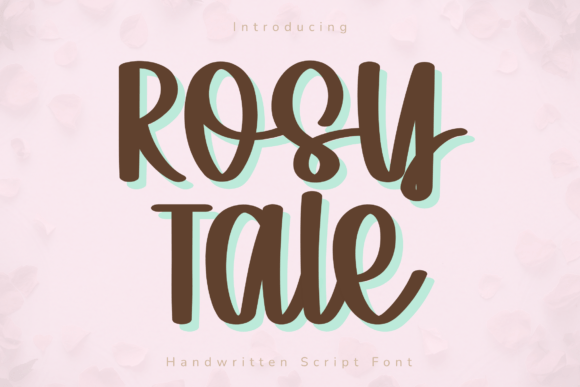
Visually, Rosy Tale is defined by its smooth, flowing curves and consistent stroke weight. The letterforms are refined, avoiding the erratic loops and unpredictable connections that can make other script fonts difficult to read. This design choice ensures that each word maintains a natural, handwritten rhythm while preserving legibility, even at smaller sizes. The font’s personality is soft, graceful, and inherently feminine without being overly frilly. It conveys a sense of care and craftsmanship, making it an excellent choice for projects that aim to feel thoughtful, welcoming, and slightly luxurious.
Where Rosy Tale Truly Shines: From Digital Screens to Physical Crafts
The true test of a creative font is its versatility. Rosy Tale demonstrates its strength across a remarkable range of applications. For digital creators, it’s a standout choice for social media graphics and web design. Use it for Instagram quote cards, Pinterest pin titles, or elegant call-to-action buttons to immediately soften a feed's visual tone. In editorial design and digital magazines, it works beautifully for pull quotes, section headers, or article titles, adding a human touch that contrasts well with clean sans-serif body text.
For entrepreneurs and small business owners building a brand identity, Rosy Tale offers a distinct advantage. It’s ideal for crafting logos, packaging labels, and business card headers for brands in the wellness, beauty, boutique retail, or artisan food sectors. The font communicates a specific aesthetic—think handmade, organic, and personal—without saying a word. Its clarity ensures your brand name remains readable and recognizable, a critical factor in effective logo design.
Crafters and hobbyists will find Rosy Tale exceptionally practical. Its smooth, consistent strokes are engineered for reliable cutting with machines like Cricut or Silhouette. This makes it perfect for creating vinyl decals, custom greeting cards, scrapbooking elements, and personalized gifts. The font performs equally well in print design, lending itself to wedding invitations, event programs, and menu designs where a touch of elegance is paramount.
Making Rosy Tale Work for Your Project: Practical Guidance
Choosing the right font is a strategic decision. Before integrating Rosy Tale into your project, consider its role. Is it for a headline that needs to grab attention, or for a subheading that requires gentle emphasis? As a display font, its primary purpose is to create visual interest and set a mood. It excels in this role but should be paired thoughtfully for body copy. A classic serif font like Garamond or a simple sans-serif like Lato makes an excellent companion, providing stability and readability for longer text blocks while allowing Rosy Tale to handle the artistic heavy lifting.
Evaluate the font’s fit with your project's core message. Rosy Tale’s elegant, handwritten style aligns perfectly with themes of creativity, femininity, nature, and personal service. It might be less suitable for projects requiring a bold, industrial, or highly technical feel. Always test the font in context. View it at the actual size it will be used, on both a high-resolution screen and a printed sample if possible. Check the spacing and how specific letter combinations in your key words or brand name interact.
When you license Rosy Tale as a premium font, you’re investing in a complete design asset. Review the full character set included. A quality script font often includes stylistic alternates, ligatures, and multilingual support. These features allow you to customize the look further, perhaps using an alternate ‘a’ or ‘g’ to better fit your layout. Understanding the commercial license is also essential. Ensure it covers your intended use, whether for a client’s logo, merchandise for sale, or a product like digital planners or downloadable templates.
Ultimately, Rosy Tale is more than just a pretty script. It’s a versatile typeface that bridges the gap between organic expression and professional utility. By understanding its visual strengths and practical applications, you can leverage it to build stronger brand recognition, create more engaging social media graphics, and add a signature touch of elegance to any project, digital or physical. It’s a tool designed for creators who value both beauty and function in their modern typography toolkit.