Oldfine: A Handwritten Script Font for Elegant Design
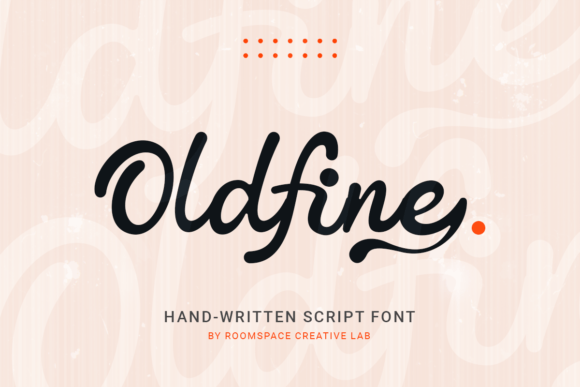
Finding a font that feels both personal and polished is a common challenge. You want the warmth and authenticity of a handwritten note, but with the consistency and professionalism required for modern design work. This is the precise balance that Oldfine, a sophisticated handwritten script typeface from Roomspace Creative Lab, aims to strike. It’s not just another script font; it’s a carefully crafted tool designed to add a layer of genuine elegance to your projects without sacrificing legibility or versatility.
The Anatomy of Oldfine's Character
At its core, Oldfine is a premium font built on fluid, natural strokes that mimic the rhythm of a skilled calligrapher’s hand. The letterforms feature gentle, flowing connections and a subtle baseline variation, giving text a lively, organic feel. However, unlike many overly casual handwritten fonts, Oldfine maintains a consistent structure and thoughtful spacing. This careful construction ensures it reads beautifully at various sizes, from a headline on a poster to a small note on packaging.
The personality of Oldfine leans toward refined charm. It carries an air of sophistication, making it ideal for projects where you want to convey care, quality, and a human touch. Think of the difference between a hastily scribbled note and a beautifully written letter—Oldfine aims for the latter. Its style bridges the gap between traditional script fonts and more modern display typefaces, offering a fresh yet familiar aesthetic.
Where Oldfine Truly Shines: Practical Applications
Understanding a font’s strengths helps you deploy it effectively. Oldfine’s blend of elegance and approachability makes it a versatile creative font for a surprising range of projects.
In Branding and Logo Design: For brands that want to project a sense of artisanal quality, personal service, or boutique luxury, Oldfine is a strong candidate. A logo set in Oldfine can instantly feel more approachable and human than one using a stark sans serif font. It works particularly well for businesses in the wedding industry, boutique hospitality, personal coaching, gourmet food products, and handcrafted goods. The key is to ensure the font’s personality aligns perfectly with the brand’s core values.
For Editorial and Publishing: In editorial design, Oldfine excels as a display font for titles, pull quotes, or section headers in magazines, blogs, and books. It can break up dense blocks of text in a serif or sans serif body font, adding visual interest and guiding the reader’s eye. Imagine a lifestyle magazine using Oldfine for a feature article’s headline—it immediately sets a warm, engaging tone.
Across Marketing and Digital Media: The digital world is hungry for authenticity. Oldfine can make social media graphics, email headers, and website banners feel more personal and engaging. It’s excellent for creating visual hierarchy in a crowded social feed. Pair it with a clean sans serif for body text, and you have a combination that is both eye-catching and easy to read. For packaging design, Oldfine can add a handwritten, premium feel to labels and tags.
Personal and Craft Projects: Beyond commercial use, Oldfine is a fantastic design asset for personal creations. It elevates wedding invitations, greeting cards, and event programs from simple to memorable. Crafters and hobbyists will find it perfect for adding personalized quotes to home decor, creating custom planners, or designing unique gifts.
Integrating Oldfine: A Designer's Practical Guide
Simply liking a font isn’t enough; you need to know how to use it well. Here’s how to approach integrating Oldfine into your workflow.
Evaluate the Fit: Before committing, consider your project’s audience and message. Is your brand voice warm and personal, or is it more corporate and authoritative? Oldfine suits the former. Test it by setting a few key words or a headline in the font. Does it feel right for the context?
Mastering Font Pairing: A script font like Oldfine rarely works alone for body text. The art of font pairing is crucial. For a balanced, professional look, pair Oldfine with a stable, neutral sans serif font for paragraphs and smaller text. This contrast allows Oldfine’s personality to shine in headlines without overwhelming the design. Alternatively, for a more traditional feel, it can pair with a classic serif font, but ensure there’s enough contrast in weight and style to avoid visual conflict.
Review the Styles and Licensing: A quality premium font often comes with more than just the basic weight. Check if Oldfine includes alternate characters, ligatures, or stylistic sets. These features can add variety and a more custom feel to your typography. Equally important is understanding the commercial license. Ensure the license covers your intended use, whether it’s for a client’s logo, a product you sell, or a digital download.
Prioritize Readability: Always prioritize your audience’s ability to read your message. Use Oldfine at sizes where its beautiful details are clear. For very small text or long paragraphs, it’s best to stick with a more straightforward serif or sans serif font. Test your designs on different devices and in print if possible. The most elegant design fails if the text is difficult to decipher.
Ultimately, Oldfine is more than just a set of characters. It’s a design tool for adding a human, sophisticated layer to your visual communication. By understanding its character and applying it thoughtfully, you can leverage this handwritten script font to create designs that are not only beautiful but also effective and engaging for your specific audience.