Homestay: The Script Font for Effortless Elegance
There’s a particular kind of visual language that feels both timeless and intimate. It’s the look of a handwritten letter, the curve of a signature on a vintage postcard, or the graceful flow of a calligrapher’s brush. In the world of digital design, capturing that organic, personal feel is a powerful tool. This is where the Homestay typeface comes in—not as just another script font, but as a carefully crafted tool for injecting warmth and sophistication into your projects.
More Than Just Cursive: The Anatomy of Homestay
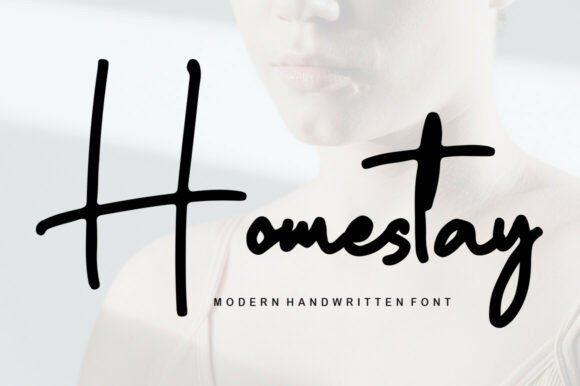
At its core, Homestay is a premium font that balances fluidity with structure. It’s not a wild, untamed handwritten font; it’s a well-balanced and graceful script. The defining feature is its smooth curves. Each letter connects with a natural, flowing rhythm, avoiding the jarring angles or overly casual loops that can make some script fonts look amateurish or difficult to read.
Think of it as the difference between a quick grocery list note and a beautifully penned invitation. Homestay leans into the latter. Its personality is one of relaxed confidence and understated luxury. It doesn’t shout for attention; it invites the viewer in with a sense of authenticity and care. This makes it a versatile creative font for projects where you want to communicate quality, personality, and a human touch without sacrificing clarity.
Where Homestay Truly Shines: Real-World Applications
Understanding a font’s strengths helps you deploy it effectively. Homestay excels in contexts where emotion, aesthetics, and personal connection are paramount.
- Fashion & Beauty Branding: This is Homestay’s sweet spot. Its smooth curves and elegant flow are perfect for fashion branding, cosmetic logos, boutique names, and lookbook headers. It instantly conveys a sense of style, care, and premium quality that aligns perfectly with these industries.
- Editorial & Publishing Design: For editorial design, use Homestay for magazine mastheads, chapter titles, pull quotes, or author names on book covers. It adds a layer of sophistication and visual interest that a standard serif font or sans serif font might not achieve on its own.
- Packaging & Product Design: On packaging design, this typeface can elevate artisan goods, gourmet foods, or handmade products. It suggests craftsmanship and a story behind the brand, which is a key part of modern consumer appeal.
- Digital & Web Presence: In web design, use it sparingly but strategically for hero section headlines, banner text, or call-to-action buttons where you want a standout moment. It’s also fantastic for social media graphics—think quote posts, sale announcements, or story highlights that need to stop the scroll.
- Personal & Commercial Projects: Beyond big business, Homestay is a valuable design asset for bloggers, content creators, and crafters. It’s ideal for wedding invitations, greeting cards, logo design for small studios, or branding a personal portfolio.
The Strategic Impact: How a Font Influences Perception
Choosing a typeface like Homestay isn’t just an aesthetic decision; it’s a strategic one that affects how your audience perceives your message.
Visual Hierarchy and Readability
Used as a display font for headlines, Homestay creates a strong focal point. Its distinctive style naturally draws the eye, establishing a clear hierarchy where the script element leads, and supporting text (perhaps a clean sans serif) provides readable details. However, readability considerations are key. This is not a body copy font. Its strength is in short, impactful phrases. Always test it at the intended size and medium to ensure the elegant curves remain legible, especially on mobile screens or small print.
Brand Perception and Consistency
A font is a cornerstone of brand identity. Implementing Homestay consistently across your touchpoints—from your logo design to your website headers and social templates—builds recognition. It tells a cohesive story. For a brand aiming to be seen as graceful, authentic, and detail-oriented, this typeface becomes a silent ambassador of those values. It moves a brand’s visual language from generic to curated.
Practical Guidance for Using Homestay
Ready to implement it? Here’s a practical checklist:
- Evaluate the Project Fit: Does your project call for a personal, elegant, or luxurious tone? If you’re designing a tech startup’s main interface, a sans serif might be better. If you’re crafting a bakery’s brand or a lifestyle blog, Homestay could be perfect.
- Master Font Pairing: The best font pairing often involves contrast. Pair Homestay with a simple, geometric sans serif font for body text. This lets the script headline shine while ensuring the rest of your content is effortlessly readable. A classic serif font can also work for a more traditional, literary feel.
- Review Included Styles: A good commercial font often comes with stylistic alternates, ligatures, or multiple weights. Explore what Homestay offers. Swapping a standard “t” for a stylistic alternate can add a unique, custom touch to your design.
- Check the License: Ensure the font’s commercial licensing covers your intended use—whether for a client project, merchandise, or digital ads. Understanding the license is a non-negotiable step in professional work.
In the end, Homestay is more than a collection of glyphs. It’s a tool for storytelling. By understanding its graceful, balanced nature and applying it thoughtfully, you can create designs that feel both beautifully crafted and genuinely human. It’s about adding that perfect, personal touch that makes your work memorable.